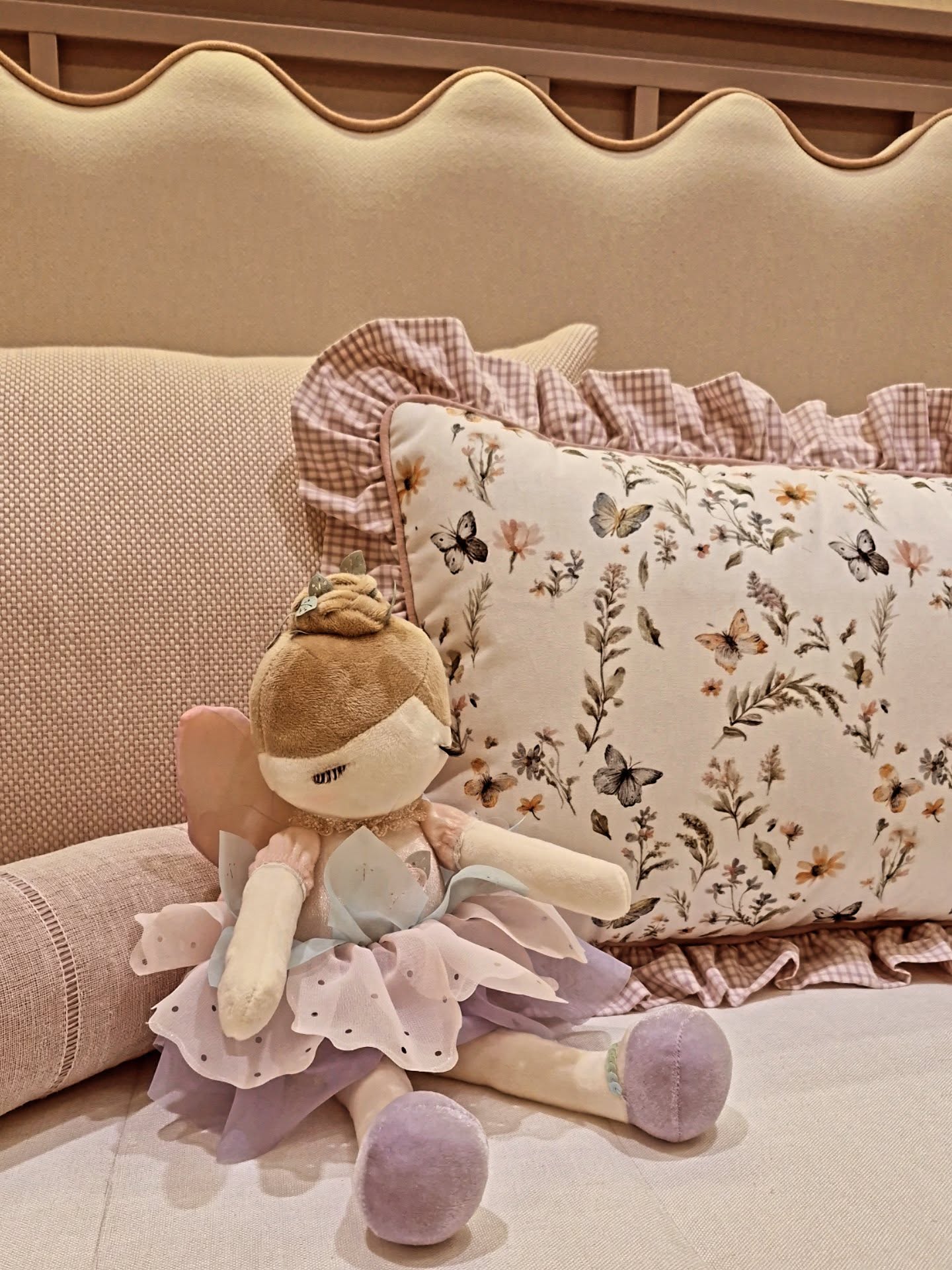
Sustainable Nursery Design: Eco-Friendly Baby Bedding That Doesn't Compromise on Luxury
As you prepare to welcome your little one, every choice you make for their nursery is made with love and the utmost care. You're not just designing a room; you're creating a sanctuary. A haven of comfort, safety, and beauty where your baby will spend their most formative months. In the heart of Orlando, a new standard of luxury nursery design is emerging—one that intertwines opulence with a deep commitment to sustainability. For discerning parents in communities like Windermere, Lake Nona, and Winter Park, creating an eco-friendly nursery is no longer a niche interest but a fundamental aspect of modern luxury.
But what does it truly mean to build a sustainable nursery? It's about making conscious choices that protect your baby's delicate health and the future of the world they will inherit. It’s about selecting materials that are pure, non-toxic, and ethically sourced. This is where the conversation around sustainable baby bedding and organic baby items becomes paramount. Many parents are surprised to learn about the environmental impact of conventional baby products, from the pesticides used in cotton farming to the volatile organic compounds (VOCs) off-gassing from furniture and textiles. The good news is that luxury and sustainability are not mutually exclusive. In fact, they are beautifully intertwined.
At Eduarda Barros USA, we believe that the most luxurious items are those crafted with integrity, care, and respect for our planet. With a 30-year heritage of creating one-of-a-kind, handcrafted baby bedding, we have always prioritized the highest quality, natural materials. Our expansion to Orlando brings this legacy of bespoke, eco-conscious luxury to American families. This guide will walk you through the essentials of creating a sustainable and stylish nursery, proving that you don't have to compromise on luxury to make an environmentally responsible choice.
The Foundation of a Green Nursery: Sustainable Materials
Creating a truly eco-friendly nursery starts from the ground up, with the materials you choose to bring into the space. The textiles that touch your baby's skin are especially important. When you consider that a newborn's skin is up to 30% thinner than an adult's and significantly more absorbent, the case for non-toxic, natural fibers becomes crystal clear. These materials are not only safer for your baby but also kinder to the environment.
Egyptian Cotton and Organic Linen: The Pinnacle of Sustainable Luxury. For decades, we have chosen to work exclusively with the finest natural materials, such as 100% Egyptian cotton and pure organic linen. These fibers are renowned for their exceptional softness, breathability, and durability. Unlike synthetic fabrics, which can trap heat and moisture, natural fibers help regulate body temperature, ensuring your baby stays comfortable through the night. This is crucial for reducing the risk of overheating, a key factor in ensuring safe sleep.
Beyond comfort, the environmental credentials of these materials are significant. Organic linen, derived from the flax plant, is one of the most sustainable textiles available. Flax requires far less water than cotton to grow and is typically cultivated without the need for pesticides or fertilizers. Similarly, our commitment to sourcing the highest grade of cotton ensures a product that is not only exquisitely soft but also produced with a focus on minimizing environmental impact. By choosing bedding from Eduarda Barros USA, you are investing in a piece of art that is as gentle on the planet as it is on your baby's skin.
Decoding the Labels: Why OEKO-TEX® Certification Matters
In the world of textiles, certifications can feel like an alphabet soup of acronyms. However, one stands out as a global benchmark for safety and transparency: the OEKO-TEX® STANDARD 100. For parents navigating the complexities of creating a healthy nursery, this label is a powerful tool and a symbol of trust. It provides a clear, reliable assurance that the product you are buying is free from a long list of harmful substances.
What does OEKO-TEX® certified actually mean? Essentially, if a textile article carries the STANDARD 100 label, you can be certain that every component of that article—every thread, button, and accessory—has been tested for harmful substances and that the article, therefore, is harmless in human ecological terms. The testing criteria are comprehensive and updated annually, often going beyond national and international requirements. The test parameters include substances that are prohibited or regulated by law, as well as chemicals known to be harmful to health but not yet legally regulated.
For baby products, which fall under the strictest category (Product Class I), the requirements are even more stringent. This certification is your guarantee that your baby's bedding, the fabric they spend countless hours against, is free from pesticides, carcinogenic colorants, and heavy metals like lead and arsenic. At Eduarda Barros USA, we are proud that our materials are OEKO-TEX® certified. This certification is a cornerstone of our commitment to you and your family, providing the peace of mind that comes from knowing you'vechosen the safest, purest option for your baby's sanctuary.
Organic vs. Conventional Cotton: A Clear Choice for Your Baby and the Planet
The debate between organic and conventional cotton is a critical one, especially when it comes to products for our children. While both originate from the same plant, their journey from field to fabric is vastly different, with profound implications for the environment and our health. Understanding this difference is key to appreciating the value of organic baby items.
The Hidden Costs of Conventional Cotton. Conventional cotton is one of the most chemically intensive crops in the world. It relies heavily on the use of synthetic pesticides, herbicides, and fertilizers. These chemicals can contaminate soil and water, harming wildlife and ecosystems. Residues of these chemicals can also remain in the final product, potentially irritating a baby's sensitive skin. The production of conventional cotton also consumes vast amounts of water and is often associated with genetically modified organisms (GMOs).
The Purity of Organic Cotton. Organic cotton, in stark contrast, is grown without the use of toxic pesticides or synthetic fertilizers. It relies on natural methods like crop rotation and composting to maintain soil fertility. This approach not only protects the environment but also produces a fiber that is naturally softer, more breathable, and hypoallergenic. For babies, especially those with eczema or sensitive skin, organic cotton is the superior choice. While organic farming can sometimes require more land, its long-term benefits for soil health, biodiversity, and water quality are undeniable. Choosing organic cotton is a powerful vote for a healthier farming system and a purer product for your home.
The Environmental Impact of Baby Products: A Bigger Footprint Than You Think
The arrival of a new baby often brings an influx of new items into the home. From diapers and wipes to toys and furniture, the cumulative environmental impact can be staggering. Research has shown that the first year of a baby's life can generate a significant carbon footprint, with disposable products being a major contributor. A single baby can use thousands of disposable diapers before they are potty-trained, each one taking hundreds of years to decompose in a landfill.
Making Conscious Choices. While some consumption is unavoidable, there are many ways to reduce your nursery's environmental footprint. It starts with a mindset of "buy less, but buy better." Instead of filling the room with trendy, disposable items, focus on investing in high-quality, durable pieces that will stand the test of time. This is the essence of sustainable luxury.
Consider the lifecycle of each product you bring into your nursery. Can it be repaired? Can it be passed down to a future sibling or another family? Eduarda Barros USA creates heirloom-quality bedding designed to be cherished for generations. Our handcrafted pieces are not just for one baby; they are part of your family’s story. By choosing timeless design and superior craftsmanship over fleeting trends, you are making a powerful statement against throwaway culture. Other ways to build a green nursery include choosing furniture made from solid, sustainably sourced wood with non-toxic finishes, opting for toys made from natural materials like wood or organic cotton, and using cloth diapers instead of disposables.
How to Build a Green Nursery: Practical Steps for Eco-Conscious Parents
Building a sustainable nursery is a journey, not a destination. Every small, conscious choice contributes to a healthier environment for your child. Here are some practical, actionable steps you can take to create a beautiful and eco-friendly nursery.
- Prioritize Natural and Organic Textiles: As we’ve discussed, this is the most important step. Start with the crib bedding, as this is where your baby will spend the most time. Look for GOTS (Global Organic Textile Standard) or OEKO-TEX® certifications. Choose sustainable baby bedding made from materials like organic cotton, linen, or hemp.
- Choose Non-Toxic Furniture: Look for furniture made from solid wood with low-VOC or zero-VOC finishes. Avoid particleboard and MDF, which can off-gas formaldehyde. Vintage or secondhand furniture can be a great sustainable option, but be sure to check for lead paint if it was made before 1978.
- Purify the Air: Indoor air quality can be two to five times more polluted than outdoor air. Use a high-quality air purifier with a HEPA filter to remove airborne particles, allergens, and VOCs. Houseplants like snake plants and spider plants are also natural air purifiers.
- Decorate with Intention: Choose decor made from natural, renewable materials. Think wool rugs, wooden toys, and organic cotton curtains. Avoid plastic toys and synthetic fabrics whenever possible. A minimalist approach not only reduces clutter but also minimizes your environmental impact.
- Embrace Reusability: Opt for reusable products over single-use ones. This includes cloth diapers, reusable baby wipes, and glass baby bottles. While it may require a bit more effort, the environmental savings are enormous.
- Think Long-Term: Invest in convertible furniture that grows with your child, such as a crib that converts into a toddler bed. Choose timeless designs and high-quality craftsmanship that will last for years to come. An Eduarda Barros USA bedding set is not just for the nursery; it can become a treasured keepsake.
Your Sanctuary of Sustainable Luxury Awaits
Creating a nursery for your child is one of the most joyful and meaningful experiences of parenthood. It is an opportunity to design a space that reflects your values and your love. By choosing sustainability, you are not sacrificing luxury; you are redefining it. You are creating a sanctuary that is not only beautiful and opulent but also safe, healthy, and kind to the planet.
At Eduarda Barros USA, we are honored to be a part of your journey. Our bespoke, handcrafted baby bedding is the ultimate expression of sustainable luxury. Each piece is a unique work of art, meticulously crafted from the finest OEKO-TEX® certified Egyptian cotton and organic linen. We invite you to experience the difference that true craftsmanship and a commitment to sustainability can make.
Are you ready to design the nursery of your dreams? A space that is as unique as your child and as pure as your love? Let our 30-year heritage of luxury and our passion for sustainability guide you.
Schedule a complimentary design consultation with our team today. Let’s create your perfect, one-of-a-kind, eco-friendly nursery. Contact us on WhatsApp to begin the journey.